

How Does SIL Help You Build Independent Living Skills?
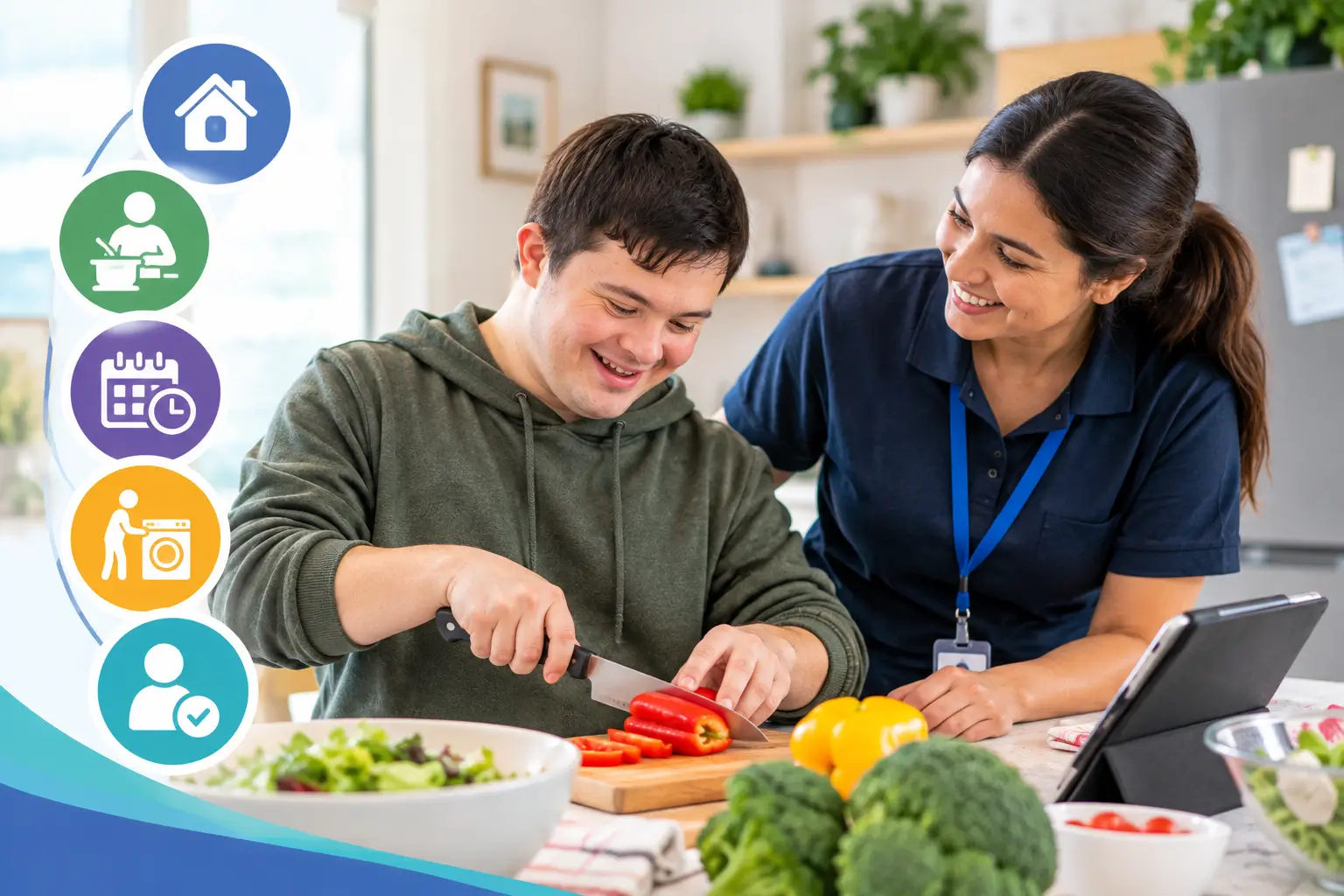
SIL independent living skills can help people with disability become more confident with everyday tasks at home and in the community. Supported Independent Living, or SIL, gives people the right level of help while they work on skills they want to improve.
Living independently does not mean doing everything without help. For some people, independence may mean learning how to cook a simple meal. For someone else, it may mean keeping their room clean, following a daily routine, managing appointments or learning how to travel safely.
SIL can provide support while a person learns these skills at their own pace. The aim is not for a support worker to do everything for you. Instead, the right support can help you learn, practise and become more confident with tasks you may want to manage yourself.
What Is SIL?
Supported Independent Living, commonly called SIL, is an NDIS support that provides help or supervision with everyday activities at home.
The NDIS says SIL can provide support from a support worker 24 hours a day, 7 days a week, depending on a person’s support needs. Support can include daily tasks such as personal care, cooking, cleaning and developing routines.
SIL is designed to help people live as independently as possible while getting the support they need. For example, a person may need help learning how to prepare meals. A support worker might show them how to safely use kitchen equipment, prepare ingredients and clean the kitchen afterwards.
Over time, the person may be able to complete more of the task themselves. This is one of the main ways SIL independent living skills can support greater independence.
How Does SIL Help Build Independent Living Skills?
SIL can help you learn everyday skills through regular practice and support. Instead of simply completing a task for you, a support worker can guide you through the steps when this is suitable for your needs.
The type and amount of support can be different for every person. Some people may need hands-on help. Others may only need reminders, supervision or someone nearby for safety.
Here are some of the main areas where SIL can help.
SIL Independent Living Skills for Daily Routines
Having a regular routine can make everyday life easier. A support worker can help you create and follow a routine that works for you. This may include:
- Getting up at a regular time
- Getting dressed
- Having meals at planned times
- Taking medication as directed by your care plan
- Keeping your room organised
- Preparing for appointments
- Planning activities
- Getting ready for bed
A routine can also help you know what needs to happen next. For example, you might start your morning by getting dressed, preparing breakfast, cleaning up and getting ready for the day’s activities.
At first, you may need regular reminders. As you become more familiar with the routine, you may be able to complete more steps on your own. The goal is to support your skills, not take control of your daily life.
Learning Cooking and Meal Preparation
Cooking is an important part of independent living. SIL support can help you learn simple cooking skills based on your abilities, needs and goals. You may learn how to:
- Choose a simple meal
- Make a shopping list
- Prepare ingredients
- Use kitchen equipment safely
- Follow a recipe
- Cook food safely
- Store leftovers
- Clean the kitchen after cooking
A support worker can break the task into smaller steps if cooking feels difficult. For example, instead of preparing an entire meal alone, you might start by washing vegetables or preparing ingredients.
Later, you may learn to complete more of the meal yourself. Cooking can also help you build confidence with planning, safety and decision-making.
Cleaning and Household Skills
Keeping your home clean and organised is another important part of independent living. SIL can help you learn household tasks that you may want to manage yourself. This can include:
- Making your bed
- Washing dishes
- Cleaning surfaces
- Doing laundry
- Putting clothes away
- Taking out rubbish
- Keeping personal areas organised
- Following a simple cleaning routine
You do not necessarily need to learn everything at once. A support worker can help you break household tasks into smaller jobs.
For example, you might learn to wash your dishes after each meal before moving on to other cleaning tasks. With regular practice, these tasks can become part of your normal routine.
Building Personal Care Skills
Personal care is another area where SIL may provide support. Depending on your needs, this can include help with activities such as:
- Showering
- Getting dressed
- Grooming
- Personal hygiene
- Eating
- Using the bathroom
- Getting ready for the day
The level of support depends on your individual needs. Some people may need direct assistance. Others may only need reminders or supervision. The purpose is to provide the right support while respecting your privacy, choices and dignity.
Learning How to Stay Safe at Home
Safety is an important part of SIL independent living skills. Living independently can involve learning how to identify risks and respond to common situations. A support worker may help you learn about:
- Kitchen safety
- Safe use of household equipment
- What to do in an emergency
- Keeping walkways clear
- Safe use of electrical items
- Personal safety
- When to ask for help
- How to contact emergency services
For some people, learning these skills can make them feel more comfortable at home. Support can also include supervision when a person needs someone nearby to help them stay safe.
Managing Appointments and Daily Tasks
Keeping track of appointments can be difficult for some people. SIL support may help you learn how to organise important parts of your week. This could include:
- Writing appointments on a calendar
- Setting reminders
- Preparing for appointments
- Keeping important information in one place
- Planning travel
- Remembering regular tasks
The aim is to help you become more organised and confident. For example, rather than a support worker always reminding you about an appointment, they may help you learn how to set an alarm or use a calendar yourself. Small changes like this can help you take more control of your daily routine.
Building Community and Social Skills
Independent living is not only about what happens inside your home. Being able to take part in the community can also be an important part of independence. Depending on your needs and NDIS plan, support may help you with activities outside the home. This may include:
- Visiting family or friends
- Attending appointments
- Going to community activities
- Learning safe travel skills
- Completing personal errands
- Building confidence in public places
The NDIS explains that SIL can include support for certain community access activities that are not routine or regular, including support to attend therapy or visit family and friends. Community activities can give you opportunities to practise communication, planning and decision-making.
Learning to Make Your Own Choices
Being independent also means having a say in your everyday life. SIL support should not mean that someone else makes every decision for you. You should have opportunities to make choices about your daily activities when you can. For example, you may choose:
- What clothes to wear
- What meal to prepare
- When to complete a household task
- What activities you want to do
- Which people you want to spend time with
- What goals you want to work towards
A support worker can provide information and assistance while allowing you to make choices. This can help you become more confident in making decisions.
SIL Independent Living Skills and Confidence
Learning a new skill can take time. You may not get something right the first time. That is normal. For example, cooking a meal, using public transport or following a cleaning routine may feel difficult when you first start.
With regular practice and the right support, these tasks may become easier. SIL can give you a safe place to practise skills without expecting you to learn everything immediately. Your support worker can provide help when needed and reduce the level of assistance as your skills develop, when this is suitable. This can help you feel more confident about what you can do.
Why Individual Support Matters
Everyone has different strengths and support needs. One person may already know how to cook but need help with personal care. Another person may be confident with personal care but need support with cooking, cleaning or community activities.
This is why SIL support should be based on the individual. Your support needs can affect the type and level of assistance you receive. The NDIS states that SIL funding is based on a participant’s disability support needs. A good support plan should focus on the areas where you need help while also giving you opportunities to practise the things you want to learn.
SIL Is Not About Doing Everything for You
One common misunderstanding about SIL is that support workers simply do all household tasks for the participant. That is not always the goal. Where appropriate, support can be used to help you learn how to do things yourself. For example, if you need help with laundry, a support worker may:
- Explain how to sort your clothes.
- Show you how to use the washing machine.
- Help you choose the right settings.
- Let you practise.
- Provide reminders when needed.
Over time, you may become able to complete the task with less assistance. This approach can help turn everyday activities into learning opportunities.
How SIL Can Help With Money and Household Planning
Managing household tasks can also involve learning basic planning skills. Depending on your needs and the support included in your plan, SIL may help with activities such as household budgeting or bill-paying tasks.
This does not mean SIL pays your household expenses. For example, the NDIS states that SIL funding does not cover ordinary living costs such as rent, groceries or household utilities. The support is about helping you with disability-related support needs, including learning skills that can help you manage your home.
How to Set Independent Living Goals With SIL
Before starting SIL, it can help to think about the skills you want to improve. Your goals might include:
- Learning to cook three simple meals
- Keeping your bedroom organised
- Following a morning routine
- Learning laundry skills
- Improving personal care routines
- Learning safe travel skills
- Becoming more confident in the community
- Managing appointments
- Learning how to ask for help when needed
Try to make your goals practical instead of saying, “I want to be more independent,” you could set a goal such as, “I want to prepare my own breakfast each morning.” A clear goal makes it easier to see your progress.
How to Track Your Progress
Progress does not always mean doing a task completely alone. You might first need full support. Later, you may only need verbal instructions. After more practice, you may be able to complete the task without reminders. For example:
Starting point: You need help preparing breakfast.
Next step: You prepare ingredients while your support worker helps.
Later: You prepare breakfast while your support worker supervises.
Goal: You prepare breakfast independently.
Everyone’s progress is different and it is important to focus on your own goals rather than comparing yourself with someone else.
SIL Independent Living Skills Can Grow Over Time
Independent living skills are not learned overnight. Some tasks may become easier quickly, while others may take much longer. You may also find that your support needs change over time. A skill you once found difficult may become part of your normal routine.
This is why regular practice matters. The NDIS describes SIL as support that can help participants build skills and live as independently as possible. The right support can give you opportunities to practise those skills in real situations.
How to Choose the Right SIL Provider
Choosing a SIL provider is an important decision. You should look for a provider that listens to you and understands the type of support you need. Before choosing a provider, you can ask:
- How do you help participants build daily living skills?
- How do you support individual goals?
- How do you involve participants in decisions?
- How do you track progress?
- What happens if my support needs change?
- How do you handle safety concerns?
- How do you communicate with families and support coordinators?
- What happens if I am unhappy with my support?
It is also worth asking how the provider approaches independence. You want support that helps you learn and participate, rather than support that takes over every task. The NDIS says a support coordinator may help participants find suitable providers when they have SIL funding.
SIL and Other NDIS Supports
SIL is one type of NDIS home and living support. It is different from other supports, such as Assistance with Daily Life, Individualised Living Options and Specialist Disability Accommodation. The right option depends on your individual circumstances and support needs.
For example, NDIS assistance with daily living can provide support with everyday activities outside of SIL.
If you are unsure which support may suit your situation, you can speak with your support coordinator, NDIS contact or another relevant professional. The NDIS also provides information about different home and living options on its website.
How Care Wise Connection Can Support Independent Living
At Care Wise Connection, support can be tailored around your individual needs, goals and daily life.
Our NDIS disability support services are designed to help people with disability get the support they need in their everyday lives.
For people considering SIL, it is important to have support that respects your choices and gives you opportunities to build skills.
This can include support with daily routines, personal care, household tasks, cooking, community activities and other areas of daily life, depending on your support needs and NDIS plan. The goal is to help you feel safe, supported and more confident in your own home.
Getting Started With SIL
If you think SIL may be right for you, start by looking at your current support needs and the skills you would like to develop. Think about the tasks you find difficult. You may need help with cooking, cleaning, personal care, routines, safety or community activities.
Write these down and think about what you would like to be able to do in the future. You can then discuss your goals with your support coordinator, NDIS contact or other people involved in your support.
The NDIS provides information about SIL and other home and living options through its official website. You can read the NDIS guide to Supported Independent Living for current information.
Conclusion
SIL independent living skills are about more than learning how to complete household tasks. They can help you build confidence, make choices and take a more active role in your everyday life. With the right support, you may be able to learn skills such as cooking, cleaning, personal care, planning, safety and community participation.
You do not have to learn everything at once. Small steps can make a real difference. The right SIL provider can work with you to understand your goals, provide the level of support you need and give you opportunities to practise new skills.
Independent living looks different for every person. What matters is having support that fits your needs and helps you work towards the life you want.
Frequently Asked Questions
SIL can help you work on everyday skills such as cooking, cleaning, personal care, following routines, household tasks, safety and community participation. The type of support depends on your individual needs and NDIS plan.
Yes, SIL is designed to help participants live as independently as possible while building their skills. A support worker can provide assistance or supervision while you practise daily tasks and work towards your personal goals.
SIL can include support with daily household activities such as cooking and cleaning. Support may involve teaching, supervision or hands-on assistance depending on what you need and what is included in your support arrangements.
SIL may include support for certain community access activities, such as attending therapy or visiting family and friends outside the home. The type of community support available depends on your needs and NDIS arrangements.
SIL may be suitable if you need regular support or supervision with daily activities in your home and want to build skills for more independent living. You can discuss your situation with your support coordinator, NDIS contact or another relevant professional.