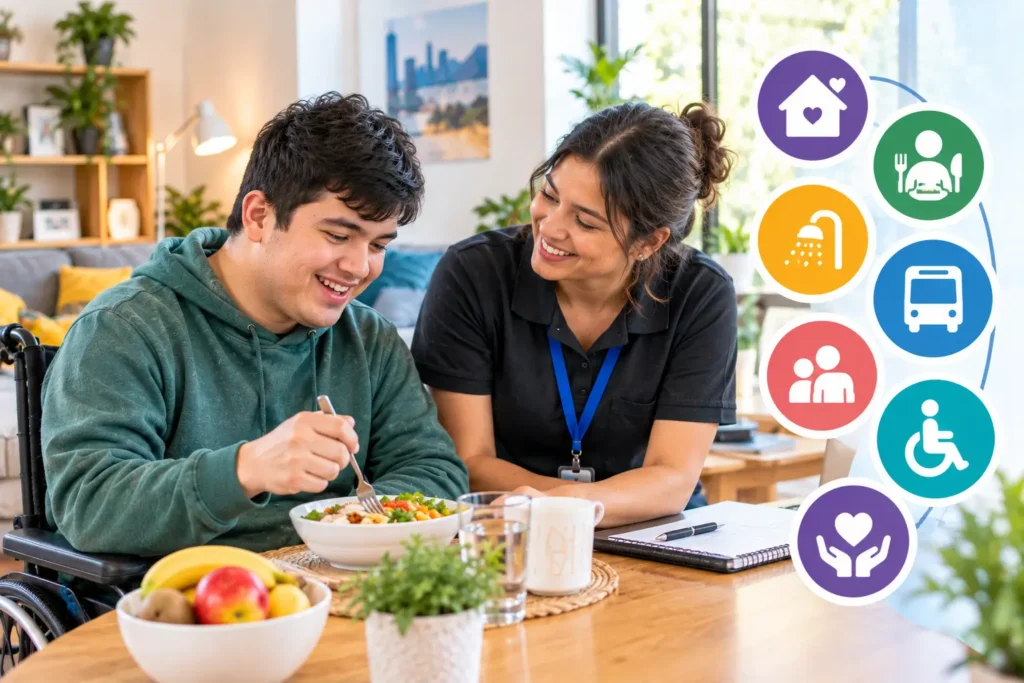

NDIS Community Participation | 10 Ways Support Can Help You Get Involved in 2026
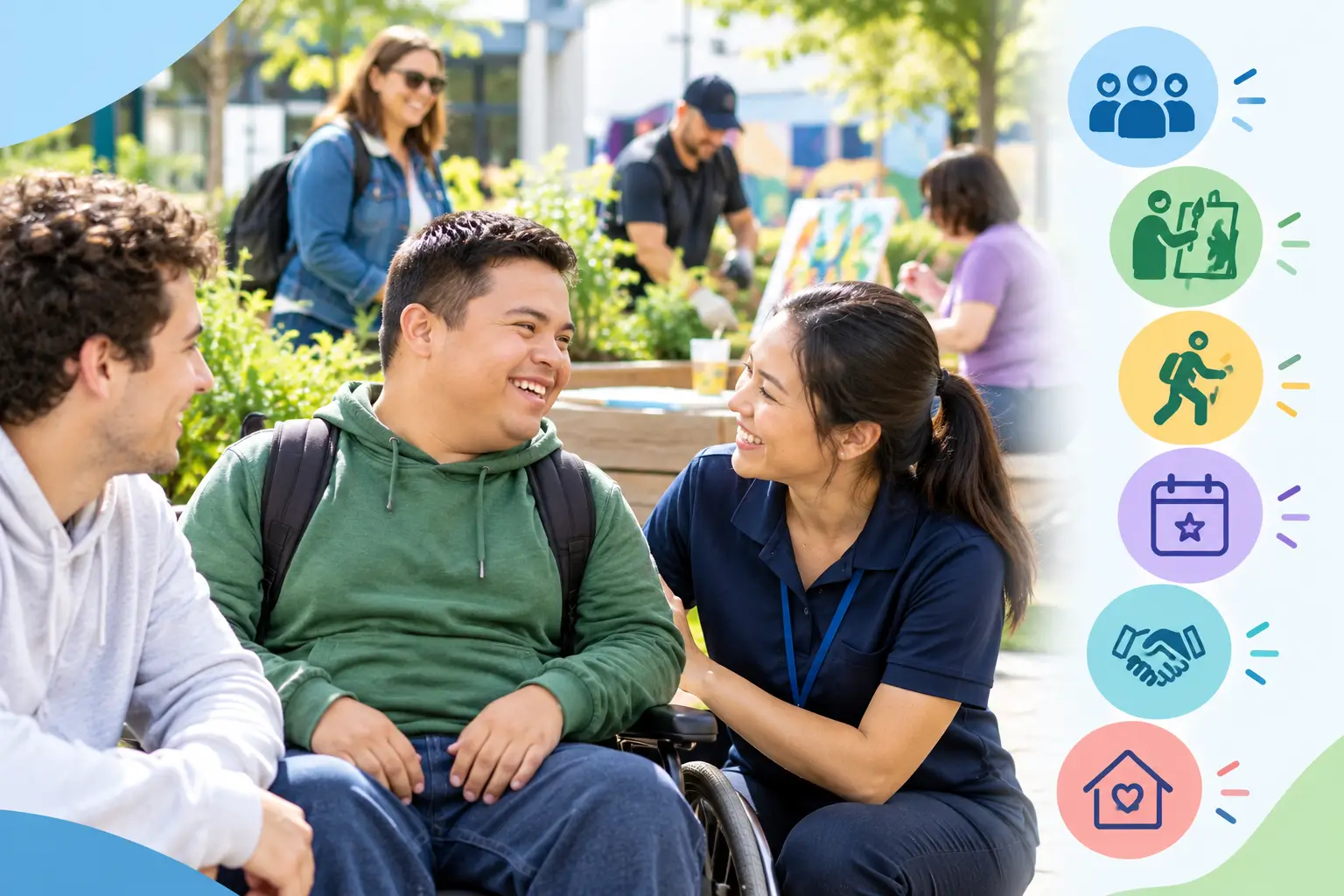
Navigating NDIS community participation opens crucial pathways for participants looking to build lasting confidence, make meaningful connections, and achieve genuine personal independence. For individuals living with a disability, engaging with local sports groups, educational classes, or social clubs often involves significant logistical, physical, and emotional barriers.
Without tailored assistance, simple tasks like visiting a shopping center, attending a local workshop, or meeting friends at a cafe can quickly feel overwhelming. Complex funding guidelines and vague support categories leave many participants uncertain about how to leverage their plan for genuine NDIS community participation.
This comprehensive guide delivers the practical roadmap you need to master NDIS community participation. You will gain actionable insights into funding structures, support worker roles, goal setting, and key strategies to maximize your NDIS community participation outcomes in 2026.
NDIS Community Participation
NDIS Community Participation balances immediate social engagement with long-term skill acquisition across two primary focus areas.
- Social & Recreational: Connecting participants with local clubs, hobbies, community events, and peer support networks.
- Capacity & Independence: Developing independent travel skills, personal budgeting capabilities, and employment readiness.
What Is Community Participation Under the NDIS?
Under the National Disability Insurance Scheme, NDIS community participation refers to funded supports designed to assist individuals with disability in joining social, civic, and recreational activities within their local neighborhoods. This targeted framework moves beyond basic in-home care by focusing directly on inclusion, personal skill development, and overall quality of life.
The National Disability Insurance Agency (NDIA) categorizes these supports under Core Supports (Assistance with Social, Economic, and Community Participation) and Capacity Building Supports (Increased Social and Community Participation). The primary objective of NDIS community participation is empowering individuals to participate in society on an equal basis with others.
Support Categories
NDIS funding for community access is delivered across three distinct support categories.
| Support Category | Included Programs & Focus | Primary Objective |
| Core Supports | Assistance with Social & Community Access | Direct physical or logistical support to participate in community activities. |
| Capacity Building | Development of Daily & Life Skills | Targeted coaching to help participants build independent social and living skills. |
| Innovative Community Participation | Specialized Programs & Skill Workshops | Structured community activities designed to foster social connection and new interests. |
The fundamental pillars of NDIS community participation assistance include:
- Direct Support Worker Assistance: One-on-one help from a professional who assists with mobility, communication, and transport during local events or routine outings.
- Skill Development and Training: Targeted coaching aimed at improving public transport navigation, money handling, social communication, and personal safety during NDIS community participation.
- Group-Based Activities: Organized recreational gatherings that encourage peer connection, shared learning, and structured community participation in NDIS experiences.
- Specialized Adaptive Programs: Modified sports, arts workshops, and educational programs designed specifically for accessible NDIS social support.
To review official compliance standards governing NDIS community participation, explore the NDIS Social and Community Activity Rules to understand how the agency evaluates reasonable and necessary supports.
Why Community Participation Matters
Active NDIS community participation plays a vital role in enhancing overall mental health, emotional well-being, and long-term quality of life. Living with a disability can sometimes lead to unintended isolation, which makes structured community participation in NDIS programs essential for personal growth.
Engaging in disability community activities allows individuals to exercise self-determination, discover new interests, and build informal support networks outside traditional clinical care.
| Dimension of Impact | Key Benefits of NDIS Community Participation | Long-Term Outcome |
| Psychological Wellbeing | Reduces feelings of loneliness, anxiety, and depression through regular NDIS social activities. | Greater emotional resilience and positive self-identity. |
| Skill Acquisition | Practical application of communication, transit, and money management in real-world settings. | Increased self-reliance and reduced reliance on paid care. |
| Social Inclusion | Fosters genuine friendships, peer networks, and community acceptance. | Stronger sense of belonging within the local neighborhood. |
| Carer Relief | Provides structured, safe engagement outside the home for the participant. | Reduced stress and burnout for family carers and support networks. |
1. Building Confidence Outside the Home
Stepping into public spaces can feel daunting for participants recovering from prolonged isolation or managing social anxiety. Dedicated NDIS community support provides a safe, structured framework for building public confidence gradually.
A support worker offers non-judgmental encouragement, helping participants navigate unfamiliar environments, sensory challenges, and busy spaces without feeling overwhelmed.
Through consistent NDIS community participation, participants learn to manage anxiety triggers, communicate comfortably with service staff, and feel secure while exploring new local destinations.
2. Joining Social and Recreational Activities
Participating in leisure activities, creative workshops, and adaptive sports is a cornerstone of effective NDIS social support. Whether it is an art class, a local bowling league, or a swimming club, NDIS social activities foster joy and personal fulfillment.
Support workers assist with all aspects of involvement, including enrollment, physical accessibility support during events, and active facilitation of peer interactions.
Engaging in group hobbies through NDIS community participation ensures participants do not just attend events but actively connect with people who share similar passions.
3. Shopping and Running Errands
Mastering daily tasks like grocery shopping, visiting the pharmacy, and banking is crucial for long-term independence. Utilizing community access support turns routine errands into valuable skill-building opportunities.
Support workers guide participants through creating shopping lists, managing personal budgets, comparing prices, and completing payment transactions confidently.
By transforming routine chores into interactive learning moments, NDIS community participation empowers individuals to take ownership of their personal lifestyle needs.
4. Attending Appointments
Attending healthcare, allied health, and administrative appointments on time can present significant stress without reliable travel and navigation assistance. Professional disability support services ensure appointments are stress-free and punctual.
A support worker provides physical mobility assistance, helps with scheduling transit, and offers companion support in waiting areas.
With dedicated NDIS support worker community access, participants maintain consistent health routines and manage professional commitments without missing critical care schedules.
5. Education and Employment Activities
Pursuing learning goals, TAFE courses, university classes, or vocational training is an essential component of social participation disability funding. NDIS community participation helps bridge the gap between academic aspiration and physical attendance.
Support workers assist with campus navigation, note-taking adjustments, routine organization, and travel coordination to educational hubs.
Furthermore, NDIS community participation supports volunteer placements and job readiness programs, helping participants build professional skills for future career momentum.
Capacity Building Pathway
The capacity building pathway guides participants toward long-term independence across three key milestones.
- Education Access: Supporting enrollment and attendance at TAFE, universities, and adult education centers.
- Volunteer Roles: Facilitating meaningful community involvement at local community centers and charity outlets.
- Workforce Entry: Building workplace readiness through targeted skill coaching and one-on-one job mentoring.
6. Connecting with Local Community Groups
Building a strong local footprint involves joining neighborhood groups, community gardens, book clubs, and local advocacy committees. Expanding NDIS community access helps participants feel deeply rooted in their local area.
Support workers facilitate introductions, assist with registration procedures, and help participants keep track of recurring group meeting times.
Establishing deep local connections through NDIS community participation creates informal support systems that endure long into the future.
7. Developing Independence and Social Skills
Capacity building is embedded within every aspect of NDIS community participation. Rather than completing tasks for the participant, support workers coach individuals on how to complete tasks independently.
Focus areas include conversation etiquette, self-advocacy, problem-solving during public transit delays, and personal safety awareness.
Over time, this focused coaching during NDIS community participation reduces dependence on paid support services and enhances overall personal autonomy.
For participants seeking structured skill building combined with home care routines, explore our detailed guide on Daily Living Support Services.
8. How Support Workers Can Assist
A qualified support worker acts as a mentor, companion, and logistical coordinator during NDIS community participation outings. Their role is flexibly tailored around the participant’s specific physical, sensory, and communication requirements.
Key assistance functions provided during NDIS support worker community access include:
- Mobility & Physical Support: Wheelchair pushing, vehicle transfers, and guiding participants across busy streets or complex venues.
- Communication Facilitation: Assisting participants who use AAC devices or require support during complex social interactions.
- Travel Logistics: Driving modified vehicles, purchasing transit tickets, and managing public transport schedules.
- Safety & Crisis Management: Monitoring sensory overstimulation, providing emotional reassurance, and administering emergency first aid when needed.
Support Worker Roles in Access
Support workers facilitate community access by addressing three core operational areas during outings.
- Logistical Support: Handling route planning, navigating schedules, and managing transit fare arrangements.
- Physical Assistance: Providing direct mobility support, assisting with vehicle transfers, and navigating physical obstacles.
- Emotional Support: Offering ongoing reassurance, encouraging confidence, and providing real-time social coaching in public settings.
To review the legal standards governing support workers during NDIS community participation, consult the NDIS Quality and Safeguards Commission Code of Conduct. For broader government strategy, refer to the Department of Social Services Disability Policy framework.
9. Getting Started with Community Participation
Initiating your NDIS community participation journey begins with clear planning and aligning your personal interests with your NDIS plan budget. Ensuring your funding matches your community access aspirations avoids mid-plan shortfalls.
| Step Number | Implementation Action | Key Focus Area |
| Step 1: Identify Goals | Write down specific activities, hobbies, or skills you want to explore through NDIS community participation. | Personal interest mapping and goal setting. |
| Step 2: Review NDIS Plan | Check your core and capacity-building budgets with your plan manager to confirm available funds. | Financial allocation and plan alignment. |
| Step 3: Select a Provider | Partner with a reputable provider offering verified NDIS support worker community access. | Quality vetting and worker matching. |
| Step 4: Draft Service Agreement | Outline activity schedules, transport costs, and specific worker responsibilities clearly. | Billing transparency and safety terms. |
| Step 5: Begin Outings | Start with small, manageable visits and gradually expand into broader community settings. | Incremental confidence building. |
To explore tailored community access programs, visit our dedicated Community Access Support Programs page.
Evaluating Provider Quality for Community Access
Partnering with the right support agency guarantees that your NDIS community participation experience is safe, dignified, and outcome-focused. Choosing a provider that prioritizes participant-worker compatibility leads to far better social engagement.
| Quality Indicator | High-Quality Standards | Red Flags to Avoid |
| Staff Matching | Tailors worker selection based on age, shared hobbies, and communication style. | Assigning random, unvetted workers without considering participant preferences. |
| Safety Protocols | Strict adherence to background checks, first aid, and accessible transport standards. | Unscreened staff, unsafe driving practices, or missing insurance documentation. |
| Goal Tracking | Periodically reviews progress toward independence and adjusts support strategies. | Passive care that encourages long-term dependence on paid staff. |
Empowering Your Independence Through Community Access
Unlocking the full potential of NDIS community participation transforms how you engage with your neighborhood, build friendships, and develop life skills. By establishing clear goals, using structured support worker assistance, and partnering with quality providers, you can overcome social barriers and take charge of your personal routine.
If you are ready to expand your social horizons, build real-world skills, and access personalized support across your neighborhood, contact the Contact Carewise Connection Support Team today. Our dedicated team is here to help you structure a tailored NDIS community participation plan that empowers your choices, matches you with compatible support workers, and drives meaningful independence every step of the way.
Frequently Asked Questions
NDIS community participation refers to funded supports that assist individuals with disabilities in accessing social, recreational, civic, and educational activities within their local area. It aims to build independence, reduce social isolation, and foster active community inclusion through direct support worker assistance and capacity-building programs.
Support workers assist during NDIS community participation by providing physical mobility assistance, driving accessible vehicles, coaching transit skills, helping manage money, facilitating conversation, and ensuring participant safety during local outings, social events, and medical appointments.
No, the NDIS covers the cost of the support worker's time, travel assistance, and specialized capacity-building support needed during the outing. Out-of-pocket costs such as movie tickets, event passes, food, drinks, and personal purchases are everyday living expenses paid directly by the participant.
Core funding (Assistance with Social, Economic, and Community Participation) covers direct support worker assistance and immediate help required during outings. Capacity Building funding (Increased Social and Community Participation) focuses on coaching, skills development, and training programs designed to help you become independent over time.
To get started, identify your personal goals (such as joining a club or learning to use public transit), review your core or capacity-building budgets with your plan manager, and contact a quality service provider to set up a service agreement and match with a compatible support worker.