

Effective NDIS Community Participation Steps for Vibrant Social Life
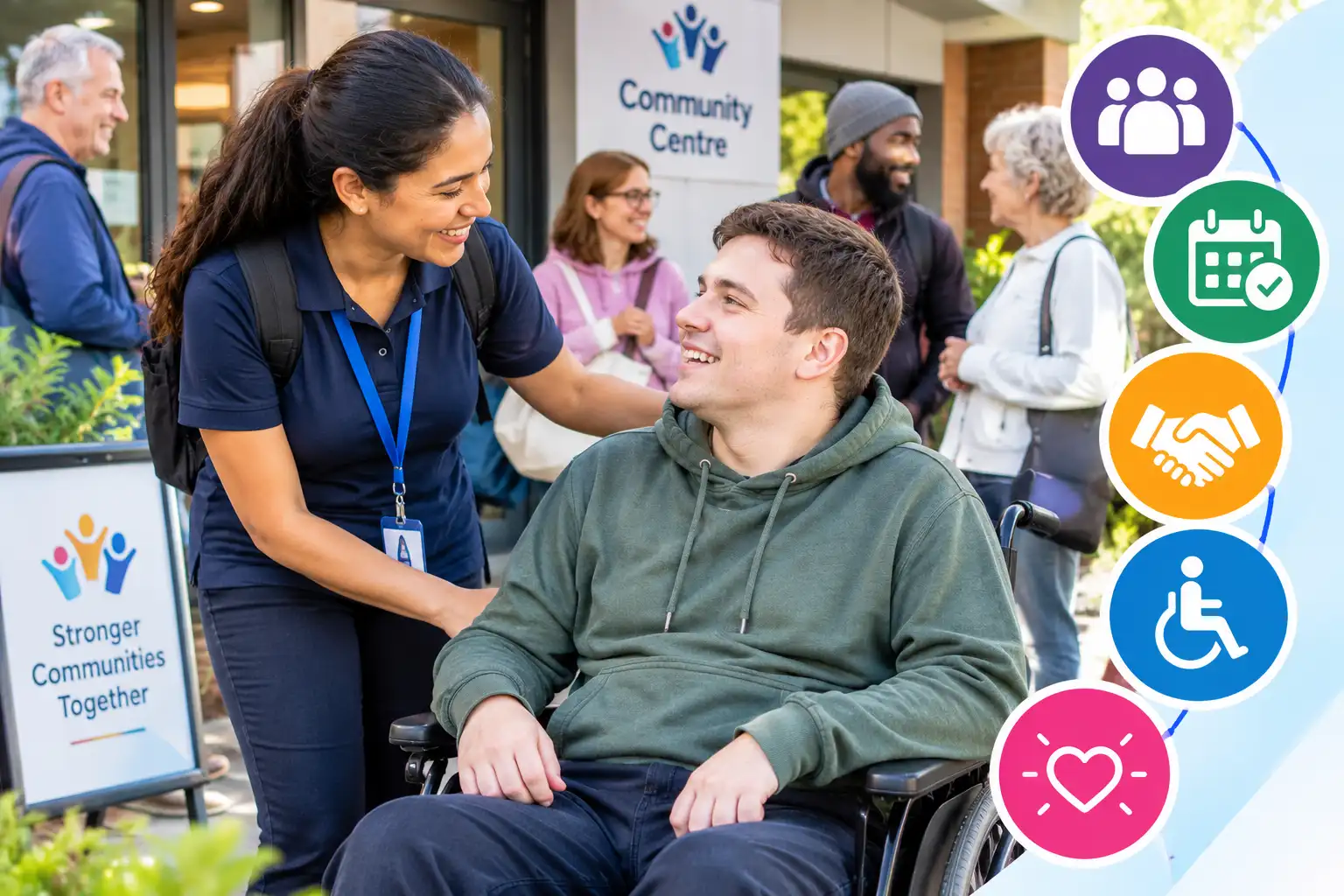
NDIS community participation funding helps you build a regular social routine, pick up new skills, and meet people nearby. Getting active in your area takes time, but the right support makes joining a local club, taking a class, or going to events much easier.
If you want to try a new hobby, help out at a community garden, or get more comfortable visiting local cafes, your plan covers the practical assistance you need. Knowing how to use your budget gives you control over your choices so you can build real independence day to day.
Understanding NDIS Community Participation Funding Categories
NDIS funding for social and recreational activities comes from a few different parts of your plan. Understanding how these categories work lets you put your budget toward the exact support you need. Under it also falls NDIS community participation.
The NDIS splits social support into short-term help and long-term skill building. Both keep you connected, but they play very different roles in your day-to-day routine.
Core Supports: Category 04 (Assistance with Social, Economic, and NDIS Community Participation)
Core Category 04 pays for a support worker to join you for hobbies or social outings. You can use it to cover hands-on help during weekend events or group classes.
You can use Core Category 04 funding for a wide range of everyday NDIS community participation activities:
- Attending local sports matches, art galleries, or community festivals.
- Joining a weekly hobby group, such as pottery, woodworking, or gaming.
- Visiting shopping centers, local parks, or community pools.
- Going to personal appointments, bank visits, or community meetings.
- Participating in organized group outings or weekend social trips.
Core support workers assist with physical mobility, communication, navigation, and personal safety. Their role is to provide side-by-side support so you can engage comfortably with others.
Capacity Building Supports: Category 09 (Increased Social and NDIS Community Participation)
Capacity Building Category 09 takes a different path. Instead of funding someone to tag along long-term, it covers courses, training, and structured programs that help you build real independence over time.
This funding category helps you build practical skills so you can use NDIS community participation in activities with less support in the future:
- Paying entry fees for short-term skills development courses or workshops.
- Enrolling in peer support programs or mentored community groups.
- Testing new recreational activities to see if they suit your interest.
- Learning how to use public transport networks safely and independently.
- Joining structured life-skills classes, such as cooking or digital literacy.
Category 09 NDIS community participation funding aims to reduce your reliance on paid support workers by building your personal confidence and practical abilities.
Capacity Building Supports: Category 11 (Relationships and Social Coaching)
Category 11 under Capacity Building covers social skills, communication strategies, and behavioral support. This NDIS community participation comes in handy if busy social settings feel overwhelming or difficult to navigate.
Specialist providers use Category 11 funding to deliver individual social coaching sessions. These sessions focus on understanding social cues, managing anxiety in busy public spaces, and developing positive communication habits.
For full guidelines on funding rules and support item definitions, review the official NDIS Pricing Schedule or consult your plan manager.
How NDIS Community Participation Transforms Daily Life
NDIS community participation gets you interactive with your local community. Getting involved in your local community does far more than fill a few hours on a weekend. When you regularly get out into your neighborhood, you build real physical confidence and break through long-term isolation. Staying active also strengthens your personal support network.
NDIS community participation, like joining local groups, gives you space to explore new hobbies and talk to people who share your interests. Over time, these social ties often lead to less reliance on paid support workers for everyday tasks. Taking consistent steps close to home builds self-reliance and supports your mental health, making daily life much more fulfilling.
If you need help setting up NDIS community participation, i.e., social supports or finding support workers who fit your routine, reach out to Carewise Connection. Our team can also help you join welcoming local groups right across Sydney.
Practical Local Discovery Framework for Community Groups
Finding inclusive, accessible activities in your area can feel tricky if you do not know where to start. Many people feel unsure about where to look or how to check if a group matches their mobility and support needs. These may hinder necessary NDIS community participation for more interactive life.
Having a simple search plan helps you narrow down options in your suburb without feeling overwhelmed. You can work through this process on your own or together with your family, support coordinator, or support worker.
Local Council Directories and Community Information Hubs
Your local council maintains up-to-date lists of neighborhood clubs, community centers, and recreational facilities. Most council websites feature online directories where you can browse sports groups, senior centers, youth programs, and local art spaces.
Council directories usually include detailed accessibility information for local venues:
- Wheelchair access details, accessible parking availability, and ramp locations.
- Accessible bathroom facilities and adult change places.
- Venue noise levels, lighting conditions, and quiet hours.
- Contact information for venue managers or group coordinators.
Contacting council community development officers often yields helpful recommendations for inclusive local programs. Many councils also publish seasonal community event calendars featuring free outdoor markets and public gatherings.
Local Libraries and Neighborhood Houses
Public libraries and neighborhood houses serve as welcoming, low-cost hubs in your NDIS community participations. They run regular small-group activities that offer an easy, low-pressure way to start meeting people.
Libraries regularly run structured, quiet group activities that suit participants seeking calm environments:
- Book discussion clubs and creative writing workshops.
- Craft circles, knitting groups, and board game sessions.
- Basic digital skill classes and smartphone navigation workshops.
- Historical research groups and quiet study spaces.
Most neighborhood houses host affordable cooking classes, gardening groups, and social morning teas. These venues offer relaxed spaces where you can meet neighbors and build casual social connections.
Community Recreation Centers and Inclusive Sports Clubs
Local leisure centers and sports clubs run adaptive programs designed across different mobility levels. If you enjoy staying active, many local pools offer warm-water mobility classes and gentle aqua aerobics.
More sporting groups now offer modified, inclusive options for NDIS community participation:
- Walking basketball and low-impact indoor soccer
- Lawn bowls clubs with wheelchair ramps and modified equipment
- Adaptive cycling groups using handcycles and recumbent tricycles
- All-abilities dance studios and gentle yoga sessions
Dropping by a facility during off-peak hours gives you a chance to check the layout and meet the team. You can make sure the environment feels comfortable before signing up for a regular program.
What to Focus On and Questions to Ask Before Joining an Activity
Before signing up for a new group or activity under NDIS community participation, check that the setup works for your personal needs. Looking at practical details ahead of time saves a lot of stress on the day.
Focus on three key areas before starting any new social program:
- Out-of-pocket expenses: While the NDIS covers support worker hours, you will pay for your own entry tickets, materials, food, and drinks.
- Physical and sensory environment: Look at venue entry points, lift access, room lighting, and noise levels. Check if a quiet breakout space is available if you need a break.
- Support worker matching: Make sure your support worker understands the session. Try to share similar interests where possible. They should assist comfortably without taking over your progress.
Asking direct questions before attending your first session helps you decide if a group is the right fit. Contact the activity coordinator or venue manager to discuss these important details:
- Is the venue fully step-free, and are accessible bathrooms located close to the main room?
- What is the typical group size and the ratio of facilitators to participants during sessions?
- Are personal activity costs or entry fees included in the session fee, or are they charged separately?
- Am I allowed to bring my own NDIS support worker to assist me during the session?
- What happens if I need to leave early, take a short break, or step outside during the activity?
Taking a few minutes to clarify these details gives you confidence before stepping into a new environment.
The Practical Role of Support Workers in Social Settings
Support workers do much more than drive you to an event and drop you at the door. When you head out on NDIS community participation activities, they give you the practical, hands-on help you need to reach your goals.
When you work with someone you genuinely get along with, you can relax and enjoy your day instead of worrying about little roadblocks. Being clear with your provider about your preferences helps your worker know how to support you best on outings.
Mobility and Venue Navigation Support
Getting around places you haven’t visited before takes real physical energy and planning. Support workers handle those tricky details for you. They are helping in checking entry points, locating ramps, and helping you move through crowded spaces safely.
They assist with practical physical tasks throughout the duration of your activity:
- Guiding you through crowded venues, busy footpaths, or complex building layouts.
- Pushing manual wheelchairs, managing mobility aids, or carrying gear.
- Locating accessible ramps, lifts, clear pathways, and accessible restrooms.
- Securing stable seating options in sports venues, theatres, or dining areas.
By managing physical logistics, support workers keep you safe and comfortable during NDIS community participation outings.
Communication and Social Interaction Support
Participants who suffering from social anxiety & communication difficulties, support workers will serve as a reassuring presence. They provide gentle assistance without speaking over you or making decisions on your behalf.
Support workers assist with NDIS community participation’s social interactions in several practical ways:
- Helping you introduce yourself to group leaders, instructors, or fellow participants.
- Supporting your use of augmentative communication devices or visual aids.
- Breaking complex activity instructions into clear, manageable steps.
- Ordering food, making retail purchases, or handling money at counters.
- Prompting social interaction while respecting your personal communication style.
A good support worker steps back when you feel confident and steps in when you need assistance, helping you build genuine connections.
Learn more about how our team matches support staff to your personal interests by visiting the Carewise Connection home page or reading about our support team.
Transport Logistics and Travel Billing Rules
Sorting out travel to and from your activities is half the job when getting out into the community. If you do not keep an eye on how NDIS transport fees work, you can run through your budget much faster than expected.
The NDIS community participation separates independent travel practice from a support worker’s travel expenses. Knowing which line item your costs come out of helps you avoid unwanted billing surprises.
Public Transport Training and Independent Mobility
Learning to travel on your own is a major goal for many NDIS community participation building daily living skills. You can use Capacity Building funding to practice public transport routes, read bus or train timetables, and handle ticketing.
Support workers or travel trainers accompany you on practice trips to build your confidence:
- Practicing walking routes between your home, bus stops, and train stations.
- Purchasing and topping up transport cards such as Opal or Myki cards.
- Learning how to read bus timetables, train platform displays, and transit apps.
- Developing safety protocols for unexpected service delays or missed stops.
Over time, structured travel training allows many participants to travel to local social activities independently or with minimal assistance.
Activity-Based Transport and Support Worker Mileage Rates
When a support worker uses their own car to drive you around during a shift, that counts as Activity-Based Transport. Providers can claim these running costs from your funding so workers are not left paying for their own petrol and vehicle upkeep.
The NDIS sets firm limits on what can be billed per kilometre:
- Up to $0.99 per km for standard private cars
- Up to $2.76 per km for modified accessible vans
- Direct reimbursement for tolls, parking fees, and transit tickets during the trip
- Standard hourly wages for the time spent driving, based on regional NDIS time caps
Any travel arrangements and mileage rates must be clearly spelled out in your service agreement before trips start. Providers cannot charge higher rates than which NDIS price guide allows.
For information regarding provider compliance and travel rules, visit the NDIS Quality and Safeguards Commission.
Linking Community Goals to Your NDIS Plan Review
If you want to keep your community budget or ask for a bump at your next plan review, you have to show what you’ve been doing. Saving progress notes and worker reports as the year goes by takes the hassle out of review time.
The NDIA wants to see that the activities you join match up with the main goals in your NDIS community participation plan. Clear records give them proof that your funding is making a real difference to your day-to-day life.
Aligning Social Activities with Official NDIS Outcome Domains
Every activity engaged in should connect directly to one or more official NDIS outcome domains. Frame your social goals around functional skill development, health, and social connection.
When setting goals for your plan, connect your NDIS community participation activities to specific outcome categories:
| Social Goal Example | NDIS Outcome Domain | Target Evidence |
| Joining a weekly art class at a local library | Daily Living & Social Interaction | Class attendance logs, finished art projects, reduced support worker hours |
| Playing inclusive lawn bowls on weekends | Health, Wellbeing & Community | Attendance records, improved physical stamina notes, new friendships |
| Volunteering at a community garden | Economic & NDIS Community Participation | Volunteer hours log, supervisor statement, skill acquisition records |
| Learning to travel to the shopping centre | Independence & Mobility | Travel trainer assessment, public transport usage log, route mastery notes |
Clear alignment between your daily activities and outcome domains demonstrates responsible, effective use of your NDIS budget.
Gathering Progress Evidence Throughout Your Plan Year
Never wait till month’s end before planning review to collect evidence. Establish a simple routine for collecting documentation during activities throughout the year.
Compile the following evidence into a dedicated folder or digital file:
- Support worker shift notes detailing your participation, engagement levels, and social interactions.
- Certificates of completion for skills workshops, short courses, or training programs.
- Receipts or invoices showing regular attendance at community facilities or clubs.
- Written statements from group leaders, club secretaries, or volunteer coordinators describing your involvement.
- Progress reports from support coordinators or allied health professionals summarizing your social skill development.
Providing structured evidence during your plan review proves that NDIS community participation supports are delivering real value in your everyday life.
Step-by-Step Guide to Getting Started with Community Supports
Starting a new NDIS community participation activity is simple when you break the process into manageable steps. Following a structured roadmap keeps your plan organised and ensures your supports run smoothly from day one.
- Review Your NDIS Budget: Check your current NDIS plan with your plan manager or support coordinator to confirm how much funding you have available in Core Category 04 or Capacity Building Category 09.
- Define Your Personal Interests: Write a list of activities, hobbies, or skills you want to explore, focusing on things you genuinely enjoy or want to learn.
- Research Local Venues and Groups: Use council directories, library noticeboards, and community centre schedules to identify accessible options in your neighbourhood.
- Draft a Clear Service Agreement: Work with your support provider to detail shift times, transport arrangements, per-kilometre billing rates, and specific support worker tasks.
- Start with Short Trial Sessions: Attend your chosen activity for a short period first to ensure the environment, noise levels, and group dynamic feel comfortable before committing long-term.
Building Lasting Social Connections with Carewise Connection
Setting up a solid social routine comes down to working with support workers who actually listen to what you want. When you have people beside you who get your goals and respect how you manage your own care, getting out & being on NDIS community participation becomes much easier.
Our Sydney team helps participants drop into local events, join clubs, and build up everyday confidence at a pace that suits them. Get in touch with Carewise Connection today to chat about your NDIS social supports.
Frequently Asked Questions
Core Category 04 funding covers the cost of a support worker to rock up and tag along with you to social outings or weekend events. On the flip side, Capacity Building Category 09 funding is all about helping you learn new skills, pay for courses, and build your independence so you won't need as much hands-on support down the track.
Too right. Core Category 04 funding pays for direct support hours to help you get out and about, whether you are heading to local shops, hitting up the community pool, visiting the bank, or catching up with mates at the local park.
Category 11 is focused on relationships and social coaching. It helps pay for specialist support to guide you through building communication strategies, managing anxiety when you are out in busy public spaces, and getting a handle on social cues if things feel a bit overwhelming.
This funding category can be used for structured training programs where a support worker or trainer helps you master local public transport networks. You can practice reading timetables, topping up your Opal card, and learning safe routes so you can eventually travel on your own steam.
If you are looking to sort out your social supports or need help matching with a support worker who gets your vibe, you can reach out to our team at Carewise Connection to get things rolling.